Often, on a tour of a fascinating destination in Bali, we come across a traditional meeting hall where we see local villagers gathered. Many of them walk, while others ride bicycles and motorcycles.
In Balinese, SANGKEP means meeting, gathering, or deliberation. This term is often used in the context of traditional village or hamlet activities. The purpose of these activities is to gather, discuss community issues, plan traditional ceremonies, and find solutions together until a consensus is reached.
As the Balinese character worships God’s power in achieving consensus and harmony within their community, they present God in offerings, followed by PUJA (prayer) and ending with devotional worship before the meeting begins. A dab of “BOREH” (a type of sacred offering) is applied to the hand as a sign of presence and sincerity during the important meeting.
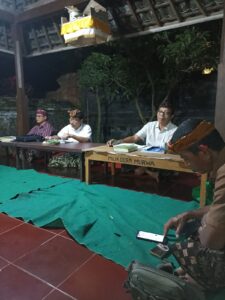
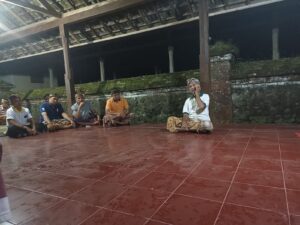
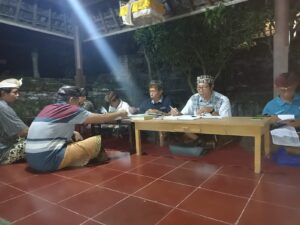
The BANJAR or village leader led the meeting, along with other community members, sitting cross-legged in front of the village community. A long, chest-high table was ready for writing, reading, and taking notes. With the recitation of the OM SWASTYASTU community prayer, the meeting began. Silence fell, with only the meeting leader audible.
Meetings in a BANJAR (village) or village in Bali typically discuss traditional ceremonies, community issues, and strategic matters within the village. For large ceremonies, these meetings typically result in the formation of a committee for the ceremony.
Thus, the social atmosphere in Bali is full of freedom of thought, opinion & expressing thoughts in meetings so that harmony in social life occurs.
Feel cultural immersion and experience of Sangkep with Maguska Hospitality. Contact Maguska Tour to explore more.